Justitia, Old Bridge of Heidelberg

Justitia, Old Bridge of Heidelberg
Justitia, Old Bridge of Heidelberg © Gernot Keller, 2007
Blinkered Justice articles also appear on CrimeTalk and Government In The Lab
Showing posts with label injustice. Show all posts

Thursday, 8 March 2012

Justice for victims of conflict-related sexual violence?


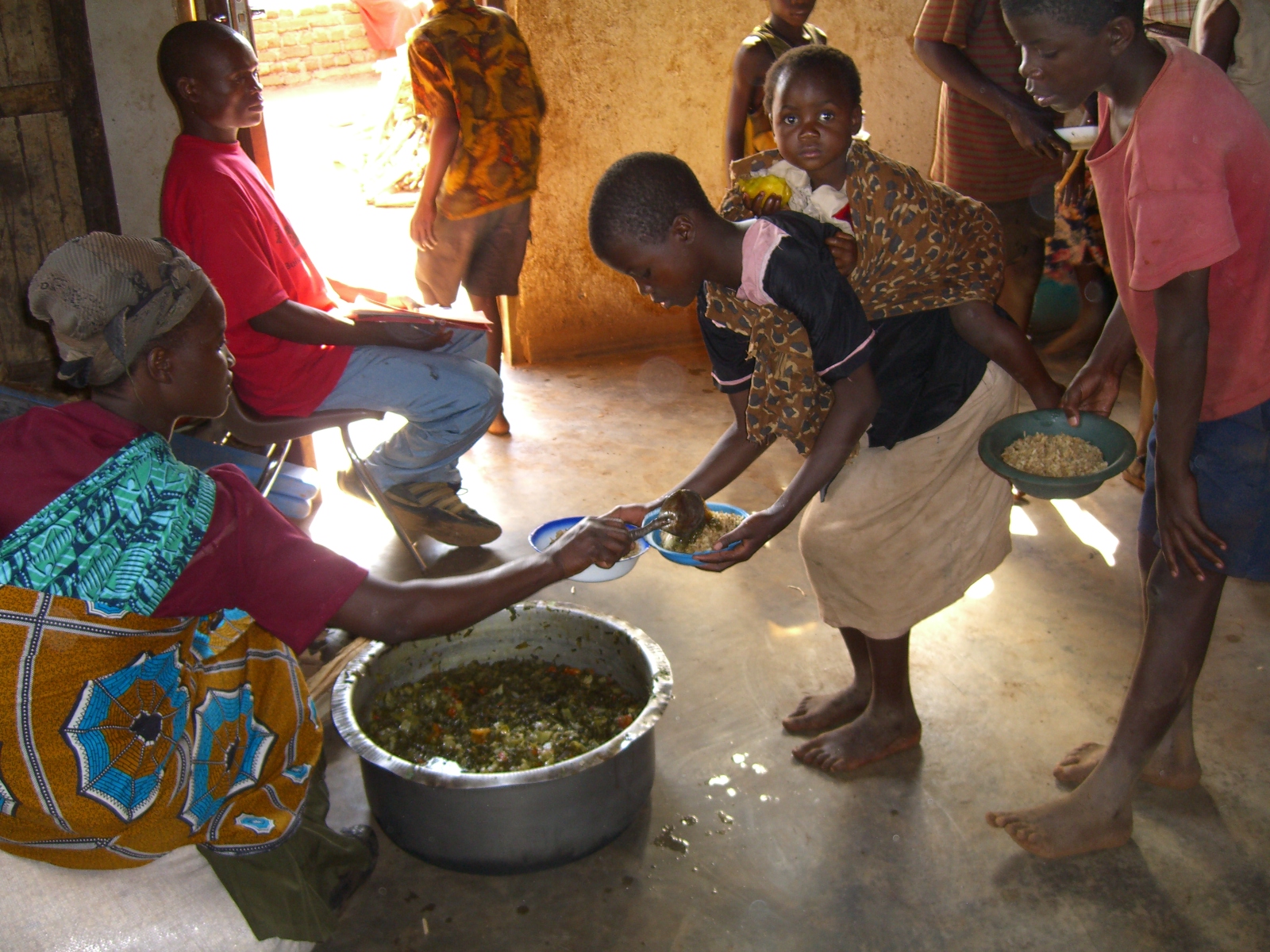
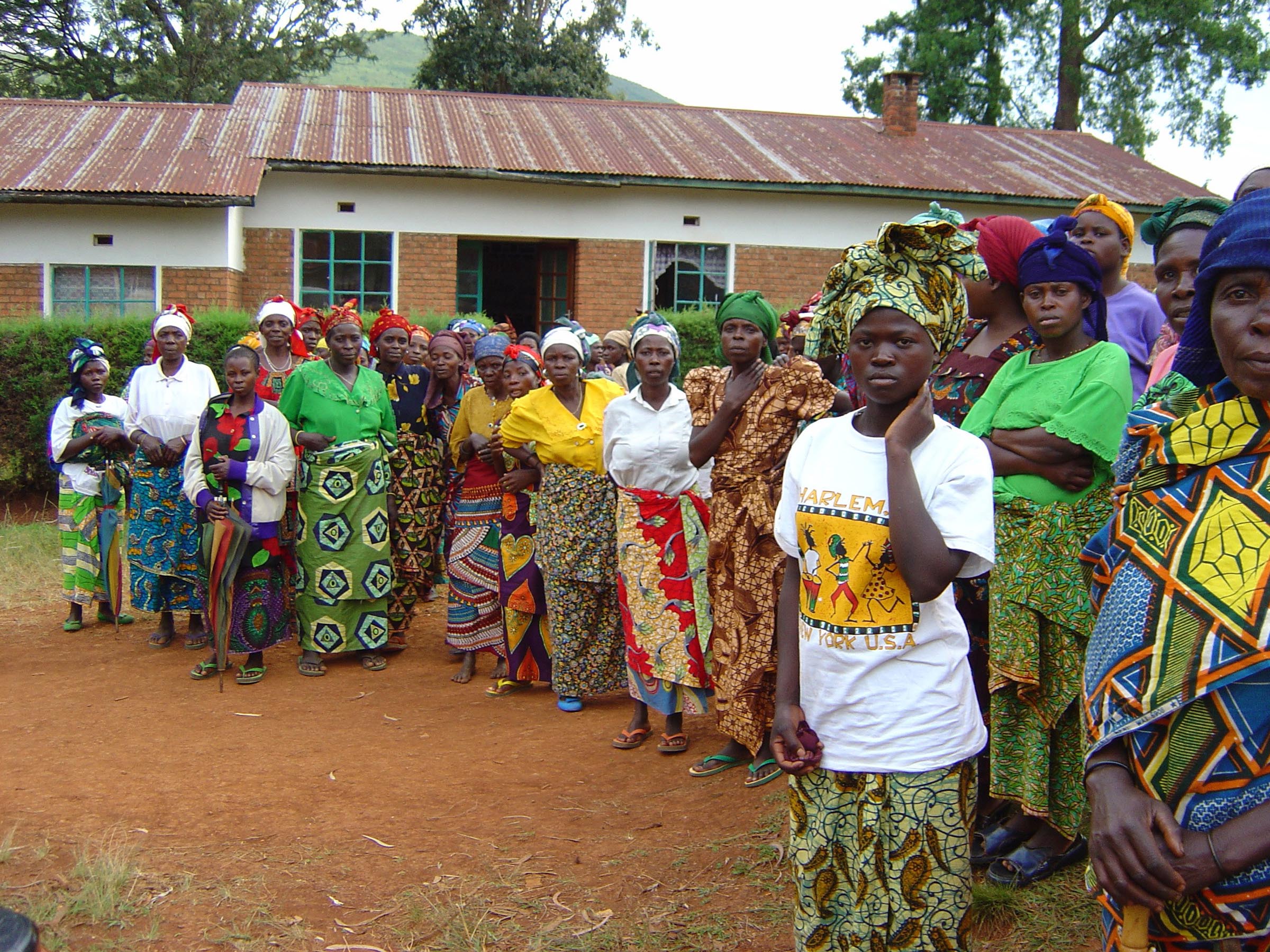
Meeting for rape victims in the DRC (c) L Werchick/USAID
It feels a little discomforting to be writing this on International Women's Day. It should be a day to celebrate. The fact that we have a specific day to 'celebrate' women acknowledges an international failing; women are not treated equally.

Women and girls are predominantly the victims of sexual abuse – although men and boys are also victims.

A couple of weeks ago, the UN produced its annual report on conflict-related sexual violence. According to the report:
Conflict-related sexual violence refers to incidents or patterns (for the purposes of listing in accordance with Security Council resolution 1960 (2010)) of sexual violence, that is rape, sexual slavery, forced prostitution, forced pregnancy, enforced sterilization or any other form of sexual violence of comparable gravity against women, men or children.

The report covers the period from December 2010 to November 2011, and details the abuses suffered at the hands of government and militia groups in conflict zones including Colombia, Democratic Republic of Congo (DRC) and Libya to name a few. It documents the (mass) rapes suffered by women, girls and boys, and refers to practices used by these armies including forced pregnancies.

Because of the social stigma attached to rape in many societies around the world, women and girls have little choice but to stay with their abusers. To return to their communities, which often does not support the armies that abused these victims, is not a viable alternative, as they are shunned by family, friends and neighbours. More so, when they are expecting a rapist's child.

In most cases, the UN is seeking judicial redress for the victims. It has had some success at the local levels, notably in courts such as the International Criminal Tribunal for Rwanda (ICTR) that paved the way for defining rape as an act of genocide, following the case of Akeyesu.

Nevertheless, on a personal level, studies have highlighted the powerlessness that local victims have felt in shaping and sharing their testimonies. On a social level, many do not want testify for fear of having to identify themselves as rape victims, which their family, friends and neighbours may have hitherto been unaware of.

The International Criminal Court (ICC) also offers victims the chance for justice beyond the local level. Although castigated at first for not pursuing sexual violence charges in the case of Thomas Lubanga, supporters of the ICC claim that it has made strides following charges of rape as a war crime, and as a crime against humanity, that it brought against Jean-Pierre Bemba.

But this is just the tip of the iceberg. The Institute for War and Peace Reporting write that prosecutors struggle to obtain the evidence that they need for a court of law to secure a conviction. 
In a recent cross-examination by the defence in the Bemba case, a rape victim was asked why she had no medical certificate confirming that she had been raped.
“In our country if you want to see a Doctor at hospital you always need money. When I was raped I had no money. I couldn't go see a Doctor”, she replied.

This is a significant problem. In countries where females have less financial power, they are further dis-empowered by a judicial system that wants them to prove their abuse.
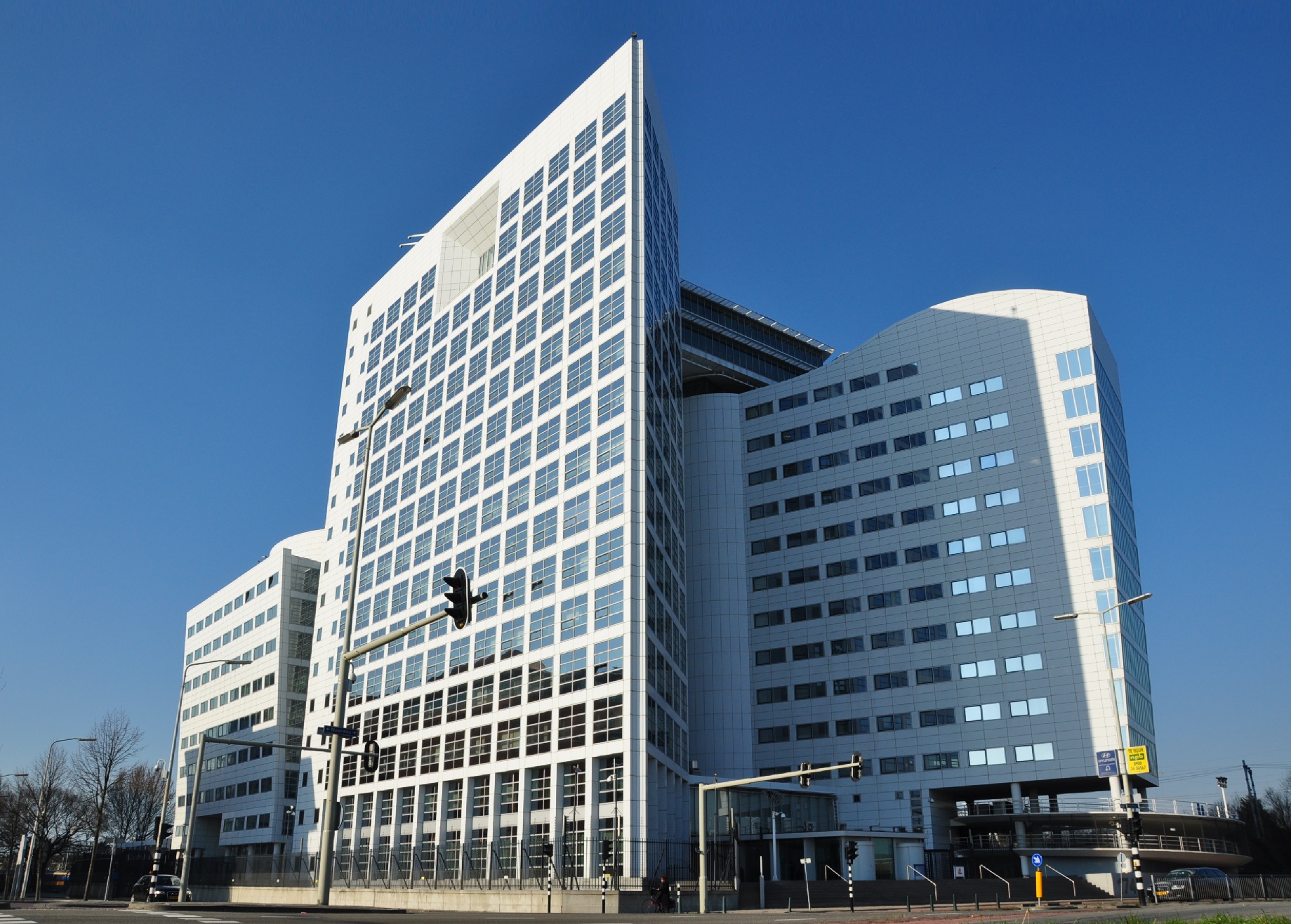
The International Criminal Court, The Hague (c) Vincent van Zeijst
Equally significant is the fact the ICC have not acted to bring any criminal charges against UN peacekeepers who have been accused of sexual violence. The ICC is supposed to operate independently of the UN. Therefore, it should have the means to investigate and prosecute those UN soldiers guilty of these war crimes, but there is little to suggest why it has not done/can not do so.

The UN's strategy for dealing with these soldiers is based around prevention, enforcement and remedial action. The statistics might well indicate that the message is getting through to UN peacekeepers, but this is difficult to verify causally.

It could just as easily be explained by women choosing not to step forward to report cases of sexual violence since they know that peacekeepers will not be brought to justice locally or internationally.

This impunity damages the credibility of the ICC, and that of their other locally established forms of criminal justice.

The UN also state:
...“The general breakdown in law and order, the absence of justice, continuing conflict, entrenched discriminatory attitudes and practices and the prevailing culture of impunity in these situations allowed for these crimes to be committed not only with appalling consequences for the victims, but with a force that destroys the fabric of society as a whole”.
“In all these situations, cases of conflict-related sexual violence remain largely unreported owing to several factors, such as social stigma, fear of reprisals, insecurity, a lack of available response services and the perceived futility of reporting as a result of weak administration of justice, apathy and political pressure”...

Both this quotation, and my discussion above, indicate that the problems are cultural and institutional. Both within the geo-spatial boundaries where the acts take place, and within the spaces that are supposed to protect the victims.

The UN propose the following initiatives to address conflict-related sexual violence:
  • Training on conflict-related sexual violence
  • Development of early warning indicators
  • Addressing conflict-related sexual violence in ceasefire and peace agreements
  • Comprehensive strategies to combat sexual violence
  • Programmatic and funding challenges and opportunities

All well and fine, but there is little substance to these proposals. Nothing that might serve to suggest that the UN are seeking to uproot the “entrenched discriminatory attitudes”, which is key to altering normative views of rape. Especially if the legal process is only going to be accessed by the few who can, and want, to use it.

Education (not the top-down approach) is going to be vital to altering social norms of sexual violence. To educate, we need to hear more from the victims and more from the rapists; because it is they that transgress the laws whilst operating within their gendered norms.

Nor am I confining this to the international conflict-related zones discussed here. Because in the West, we have constructed sexual violence in a certain way with regards to domestic conflict-related spaces, and realised justice through criminal mechanisms that operate with a similar impunity. 


Enhanced by Zemanta

Friday, 3 February 2012

A poetic social construction of crime


Oscar Wilde and his lover, Alfred Douglas,
prior to his trial in 1894

As we each slink off to our weekends, I am publishing the poem below, written by Criminonymous. You can find another piece here, published on Anna Raccoon a few days ago.  No need for me to add any more; the strength of the piece speaks for itself. 

The only thing we have to blame is blame itself

I fail to see what we gain from blaming the individual
The working class criminal whose education was minimal
Some see their behaviour as indefensible
That the casual accrual of wealth through unconventional or deviant methods
Demeans the tax-paying, hard-working and indebted

If it were only explained more clearly in schools
That it’s just a few tools
Who monopolise the making and enforcement of rules
Why do we assume that the criminal law is the best way to respond to these issues?
Crime is a social construction
Should homosexuality be a crime?
Obviously, obviously not
But some countries still consider it as such
Do you think that alcohol should be criminalised?
These things vary over space and time
It is wrong to assume that the laws as they stand
Are based on rational calculations
Nor should it be assumed
That the direction in which the criminal law is currently headed
Is necessarily in the long-term interests of society as a whole

Some people see ‘criminals’ as totally different to them
When they think about crime
They remember what they have seen in the media
They immediately think about the most heinous of transgressions
But this is only a tiny fraction of what ‘crime’ really entails
Incidentally, many of these people are swing voters
The central focus of modern-day locusts
But when elections are based on fear
There is no incentive to ensure that our electorate is educated
And this lack of knowledge is perpetuated

In reality, all are equally likely to be caught up in something this forlorn
Because you have no control over where or when you are born
Some people truly believe that they had immunity
Thinking: “They are not us, so they deserve no impunity”
But we were all born in the same world, without equality of opportunity
Substitute assumed fallacies for humanity
It’s safe to say that we’re pretty lucky
I could have been born in Kentucky
Home to sixteen of the one hundred poorest counties in that country
Equally, the Queen is lucky not to be an Armenian from 1915
Got any pre-teens?
Elsewhere they make green jeans for the armies
Like Akala said, as hard as some of us have it
We’re still far better off than ninety per-cent of the planet

It is totally understandable that in this environment of propaganda
People make false assumptions about crime and justice
We don’t get to decide what counts as a crime
When the law should change its mind
Or where our priorities should lie
Nor are these decisions made well for us
So forget your anxiety regarding impropriety
And consider the long-term interests of our society

Criminonymous

Friday, 16 December 2011

Margaret Moran & the face of crime

Margaret Moran MP (c) Richard Lea Hair

Yesterday, The Guardian reported that former Labour M.P. Margaret Moran, accused of falsely claiming £80,000 in expenses, and her legal team would be making an application for a “nolle” to the attorney general. This would allow the case against her to be discontinued on exceptional grounds.

If granted, Moran would not stand trial. Instead, a jury would assess the merits of the case in her absence at a trial of issue. Jim Sturman, her Q.C., stated:
"These proceedings are a continual threat to her life, not just to her liberty, and the experts agree that she is unfit to plead."
Three pyschiatric experts have evaluated Moran and all come to the conclusion that she is unfit to plead. Sturman himself talks of his only meeting with Moran, in which she cried during the whole conference, and refers to a previous hearing at Westminster magistrates court, in which she sobbed uncontrollably in the dock.

I understand that it is considered more beneficial for defendants to attend their trial so that they can defend themselves more adequately. However, with the team that she has on board, the public display of her illness, and people's general disdain for M.P.'s expenses abuse, I wondered whether her absence would harm her case.

If not, do others with less (financial/political?) clout have access to the same recourse?

Kelly (2000), amongst others, has conducted research into links between inequality and crime. The Ministry of Justice report on the UK riots reveal the depth of the links between social exclusion, inequality, poverty and transgressions of the law.
  • 35% of adult rioters were claiming out of work benefit, almost three times the national average (12%)
  • 64% of child rioters lived in the country's most social excluded areas
  • 66% of child rioters were classified as having special education needs, again three times the national average (22%)

Social exclusion, inequality and poverty are also linked to mental health problems. Therefore, if we accept that the majority of those passing through our criminal justice system are from poorer socio-economic backgrounds, then we also have to accept that many will pass through the system with similar issues to those of Margaret Moran.

Moran is using a Q.C. Q.C.s cost a lot more than less qualified barristers. By using a more prominent, and presumably, more knowledgeable barrister, this will have enabled Moran to pursue this course of action.

Furthermore, Moran was examined by three psychiatrists over a period of two years. Again, this will have cost a lot of money. All this will be quite different to the legal (aid?) access that those living in poverty will have recourse to.

Looted Sainsburys local, Chalk Farm (c) hughepaul
Looking back at Sturman's statement regarding his client, it is difficult to find any reason why Moran should receive better treatment than the children who have been criminalised as a result of their wrongdoings during the summer riots. There is a large gulf between the alleged crimes of Moran and child rioters.

Not only will these children have had emotional needs, not dissimilar to Moran's, but arguably this is a greater threat to their life, because their criminalisation threatens their life chances; unemployment, poorer physical health, further mental health problems, and an earlier death.

Due to her influence, Moran will be able to distance, and anonymise herself, by her absence at her trial, yet children have lost their right to anonymity in the UK criminal justice system. Those in power want us to remember who 'criminals' are, regardless of their age and the protection that we should afford them.

I am minded of Reiman's 'pyrrhic defeat theory'. This maintains that the way in which the criminal justice system, and criminal justice policy, works is to perpetuate the myth that 'criminal activities' are solely associated 'with the dangerous acts of the poor' (Reiman, 1998).

In other words, a burgeoning prison population, peopled by those from poorer socio-economic backgrounds, is a loss leader for governments, because it diverts the public's attention away from crimes committed by the powerful.

This case is just another example of what the face of crime looks like. 

Tuesday, 13 December 2011

The Newburgh Four: labelling and terrorism in the U.S.A.


Federal Bureau of Investigation Seal (c) United States Department of Justice

I write this in the knowledge of an attack that has just taken place in Belgium. Regardless of whether it be termed a terrorist incident, or for the reasons behind it, this post is even more relevant for it. My sympathies go to those affected by the attack.

In yesterday's Guardian, Paul Harris reported on the Newburgh Four who were convicted of a terrorist plot in June. According to the report, the four men had been entrapped by an FBI informant who had offered the men life-changing amounts of money in return for carrying out the attack. Quite apart from the rather shady way that the FBI went about their “investigation”, there was little supporting evidence that these men would ordinarily have carried out the attacks, had the FBI not acted as a catalyst for it. Judge Colleen McMahon is reported as saying:
"Only the government could have made a terrorist out of Mr Cromitie, a man whose buffoonery is positively Shakespearean in its scope," she said in court. She added: "I believe beyond a shadow of a doubt that there would have been no crime here except the government instigated it, planned it and brought it to fruition."
In criminological thought, entrapment, or to use a more law enforcement friendly version of this term, stings that target problem people and problem places are associated with ideas of repeat victimisation and the prevention of future crimes. Targeting problem people and problem places relies on knowing who these people are and where they congregate. In this case, the sting involved targeting prospective “terrorists” who congregate in mosques. It might be a fair assumption to make that this type of sting is an obvious means of deterring future “terrorist” attacks, based on what we read, see and hear in the mainstream media. However, to understand “terrorism”, we need to rewind.

The devastating and tragic events of 9/11 broadcast the idea that “terrorists” and “terrorism” are largely associated with extremists, notably Islamic extremists. Further attacks have taken place in Indonesia, Spain and the UK. Every now and again, we are warned of impending “terrorist” attacks. Hence, three distinct words, Islam, extremism and terrorism, seem to be harnessed together to the extent that even a prospective President of the U.S.A. can't help but label Palestinians as terrorists.

Mandela on Israeli Apartheid (c) Carlos Latuff
Consider the term “convicted terrorist.” What do they look like? Coming from the UK, I am immediately minded of the once convicted, since proven innocent, Irish “terrorists” including the Birmingham Six and the Guildford Four. In terms of the U.S.A., I think of John Walker Lindh, Richard Reid and Timothy McVeigh. Regardless of whether justice was enacted correctly, all were tried in a court of law.

In fact, McVeigh is called an “American Terrorist” in the biography of his life. Why the need to label him differently? What purpose does it serve? Surely, it matters not whether he is American, and ethnically white, yet it seems that the authors felt the need to qualify McVeigh to their audience; he is not any “terrorist”, he is different. Different to “others.”

The U.S. government chose to kill Osama Bin Laden rather than try him. It has failed to try any of those it holds responsible for the “terrorism” committed on 9/11, choosing instead to detain inmates at Guantanamo Bay indefinitely, awaiting affirmation of their label. It is difficult to see how we have come to one particular view of “terrorists” and “terrorism”, when those that have been convicted of “terrorist” attacks represent such diverse ethnic, cultural and economic backgrounds.

As stated above, entrapment/sting operations are associated with repeat victimisation and crime prevention. Considering that the vast majority of the 9/11 pilots came from Saudi Arabia, it makes little sense in terms of repeat victimisation to target Muslim communities within the U.S.A.. Meanwhile, Muslim communities in the U.S.A. continue to be labelled and perceived as “terrorists.” They have to put up with being targeted in sting operations, and then losing family to long term prison sentences for dubiously constructed “crimes”.

By taking a hardline stance against these communities, based on little fact, the government threatens to create further division within the U.S.A. over its tactics. In turn, it may create extremist sympathisers within these communities that see the U.S.A. as Islamphobic. Far from preventing crime and “terrorism”, the U.S.A. might be fuelling internal “terrorist” acts of the future, thereby ensuring that the dominant idea of who “terrorists” are comes true.

Sunday, 13 November 2011

London 2012: Condoning corporate crime - update

Wall painting outside Union Carbide site, Bhopal, India (c) Yann
Just a short update.


Although it should be visible, I am not sure whether my additional comment to the last post can be seen by all. Therefore, please see below:


Further to the above article, the Editor of CrimeTalk has sent me the following link to Pearce and Tombs' criminological reassessment of the Bhopal tragedy:


http://www.crimetalk.org.uk/library/section-list/38-frontpage-articles/469-bhopal-reassessment-part4.html


Amongst others, I have been in touch with Lorraine Close from www.bhopal.org, who has lodged an earlier petition on www.change.org re. Dow and the Olympics. Please click here to sign this petition in order so that we can co-ordinate a response. I am about to edit the link to my earlier post.


In the meantime, enjoy the rest of your weekend. 

Wednesday, 9 November 2011

London 2012: Condoning corporate crime

Bhopal-Union Carbide memorial (c) Luca Frediani 
I was disgusted to read this story in The Independent the other day. Dow Chemical Company (Dow), the majority shareholder of Union Carbide who are allegedly culpable for the deaths of 25,000 people in Bhopal in 1984, have been awarded "exclusive marketing rights" to the Olympic stadium. 


Whilst they bought the company in 2001, litigation is outstanding in India over the paltry payments made to the victims, and they have since failed to decontaminate the site properly. According to Amnesty, 100,000 people continue to suffer from health problems. There has never been a proper, full investigation into what caused the leak in Bhopal, and nobody has been brought to justice for the deaths, injuries and other harms associated with the leak. 


Furthermore, Dow Agrosciences, a Dow subsidiary, have been blacklisted by the Indian government for bribing government officials in their quest to register three pesticides. This appears to relate to Dow's involvement in the GM food industry and something called the Codex Alimentarius Commission (yes?!). Robert Verkerk produced the following analysis on Ethical Consumer, snippets of which follow:
The Codex Alimentarius Commission is heavily influenced by some of the most powerful industries on the planet, including the food, agricultural, biotech and pharmaceutical industries. Codex’s stated purpose is to ensure that global trade is facilitated and trade barriers are removed, while also ensuring that consumers are adequately protected.
It is therefore no great surprise that Codex has seen fit to ‘green light’ many GM foods, food additives, pesticide residues, synthetic hormones and other intrinsically unhealthy food components. It also has substantially dumbed down organic standards, making them more accessible to large agricultural players. Consumer interests are often seemingly low on Codex’s list of priorities...
 ...With its huge scope and influence, there is one thing that Codex Alimentarius does not do, and that is look at the bigger picture.  It does not begin to address the issue of how we will ensure that present and future generations are able to eat within the limits of the planet's resources.  Food safety and food security, in this context, are worlds apart.
 A report completed in 2008 following four years of research, carried out by over 400 world experts in agriculture, found that many of the risks associated with modern biotechnology are “as yet unknown”. It also specifically highlighted the problems relating to the proprietary nature of biotech products, and the potential for patented GM crops to “undermine local practices that enhance food security and economic sustainability”...
...The Codex Commission stands accused of being unduly influenced by corporate interests, represented by trade bodies with observer status.  A peek behind the scenes indicates that this does deserve further scrutiny.
 The International Life Sciences Institute (ISLI) is one such organisation.  Its members, which are solely companies, include the Big Daddies of biotech, biofuels, and pharma:  Cargill, Monsanto, Bayer, Dow Chemical, Pfizer and GlaxoSmithKline.  Food manufacturers include Mars, Kraft, Coca-Cola, McDonalds, NestlĂ©, PepsiCo, Unilever, and Tate & Lyle. 
 The ISLI's 2009 Annual Report states that 68% of its revenue for that year came from its members.  Only 5% of this went to research, whilst a total of 81% was spent on General & Administrative, Meetings and Other Programme Expenses.  Yet it has vigorously denied being a lobby group...
 ...The work of Codex Alimentarius is presented as being based on independent, objective science.  Collaboration between the ISLI and one of Codex's most important scientific advisory bodies throws up some serious questions about just how objective this science is.  That the ISLI's members indirectly funded this piece of work points towards an extremely cosy relationship.
 In 2007 ISLI India hosted a conference on risk assessment that was attended by key Codex figures.  Further collaboration between the ISLI and the FAO is apparent on the ISLI India website, notably a conference on “Next Generation Technologies for Healthy Foods”, in which they were in “technical collaboration”...
 ...At the Lancaster University Codex conference in March 2010, Ezzeddine Boutrif was quizzed by Dr. Erik Millstone, Professor of Science and Technology Policy at the University of Sussex, about alleged systematic bias of Codex towards corporate interests.  Boutrif acknowledged that there had been problems in the past but said that things had changed “dramatically” in the past 7 to 10 years...
...Boutrif also acknowledged that Codex Alimentarius was not orientated to the public and that more could be done to address this.  Perhaps we can anticipate a time that Codex will come out of the shadows, and make more of an effort to communicate with the people it claims to protect: consumers.
Dow Chemical works, Kings Lynn (c) Ben Harris
One other final piece of information worth knowing is that the U.S. Environment & Protection Agency (USEPA) levied a $2.5 million fine on Dow for breaches of environmental regulations. These relate to violations at Dow's Midland facility, following inspections between 2005-2007.


Quite apart from the fact that Dow were aware of the dreadful legacy that they were buying into, they are aggressively pursuing their own GM agenda and continuing to pollute the environment. Lord Coe and Locog are responsible for granting Dow's contract after what Locog termed an "open and competitive process." This week, Lord Coe has failed to satisfy MPs at a Select Committee meeting that Dow meets the ethical vision for London 2012. He is due to attend another Select Committee meeting next week.  The sooner we act, the more pressure there will be on the the Select Committee to scrutinise this decision in more detail. 


Lorraine Close from www.bhopal.org has set up an online petition here that is attracting plenty of signatures. If nothing else, your signature will raise awareness of Bhopal and its victims, and raise the profile of Dow and it's "crimes". 


The Olympics are supposed to be a celebration of what we, as humans, can aspire to and achieve. As the  host of the Olympics, the UK has a responsibility to promote the Olympic ideals. As an UK national, I do not want to be tainted by Dow's crimes. I hope that you don't too. If so, please take action, sign the e-petition and pass on to whoever you can.  

Friday, 4 November 2011

The family justice review review


(c) Eric Ward

Yesterday, David Norgrove, wrote an article entitled, “Children’s welfare should not be trumped by parents’ rights” in The Guardian. This referred to the family justice review that he, and a panel, had conducted on the family justice system. Albeit in a blog post, I am going critique a part of the review that has drawn headlines, namely that divorced and separated fathers will not get a legal right to a ‘meaningful relationship’ with their children.

The overarching, and noteworthy, goal of this report was to ensure that any recommendations chimed with the ‘best interests of children.’ But what exactly are the ‘best interests of children?’

In paragraph 1 of his executive summary, Norgrove writes:

We published our interim report in March. This is our final report, which reflects our conclusions following well over 600 responses to our consultation and input from meetings in many parts of the country.

For all the repeated mentions of this notable aim, there is a distinct lack of evidence of children’s views in the construction of this review. There are no supporting statements that might demonstrate that children participated in this study. Therefore, what constitutes ‘best interests of children’ is left to more powerful voices.

The vast majority of quotations come from the consultation responses provided by legal and academic experts, and interested family organisations. Whilst children were provided with an opportunity to comment on the interim report, there is no evidence that they did so. How would interested children possibly get to know of such a report? CBeebies? T4? YouTube?

Whilst Norgrove has given reasonable consideration to an Australian study on the implications of implementing a legal right to a ‘meaningful relationship’, equally, he has not drawn on any studies that have considered children’s responses to the effects of divorce and separation. Even with taking the Australian study at face value, and forgetting its noted problems, no effort has been made to rebrand the term ‘meaningful relationship’; government services have rebranded ‘alternative dispute resolution’ to ‘dispute resolution services’. Surely, legal alternatives could be given further thought.

In paragraph 2.4 on the family justice system, reference is made to:

The United Nations Convention on the Rights of the Child also makes explicit the importance of children’s rights being considered and upheld in the family justice system. Article 12 of the Convention makes it clear that children have the right to have their voices heard in decisions that affect their lives.

That being the case, why is there so little evidence of their voices being heard in this report.

I have other issues with this report, including the make-up of the independent panel members and the idea of an online hub that is supposedly accessible to all. However...

(c) Irate
The major purpose for conducting the family justice review is to speed up the judicial process. Admittedly, this is also designed for clearing up problems associated with the adoption process, but in terms of private law, it appears to be creating additional layers of bureaucracy. As well as going through an online hub, parents would need to negotiate pre-application protocols, mediation, and a separated parents information programme.

Paragraph 4.73 notes:

We note that the concerns about delay and the effect on the Private Law Programme apply equally to the Pre-Application Protocol, which is already in force. But our difference from the respondents quoted in the preceding paragraph rests in many ways on a different view of the proper role of courts. We would argue first that the extra time will be well spent if it results as we expect in fewer cases going to court, and secondly that the opportunity of the FHDRA will still be there.

“If…as we expect”…not, then, the most effusive of reasons to be taking this route. 

Potentially, we have a system that is perceived to exclude parents from having an automatic right to a ‘meaningful relationship’, and then makes it harder to secure these rights. Would the parent concerned be willing to spend the extra time going through this process? How would the child feel not seeing the parent concerned whilst the process was ongoing?

There is a discursive link between contact and maintenance that is discussed in the report. In a system that prioritises the rights to family life of one parent over another, would this affect maintenance payments? Would this be in the ‘best interests of children’?

Without going into the arguments for the rights of grandparents (which too should be looked at in more depth), it is men in particular, who are the target audience for a review of private law. Fathers4Justice have long fought for the rights of men and their right to a more equal family life. From a feminist perspective, I wonder how women perceive this review. Does it perpetuate a stereotypical view of a patriarchal world in which women ‘naturally’ look after children, thereby exacerbating the financial pressures associated with looking after a child as a single parent?

Given the government’s recent talk of a broken society following the riots, and of the need for parents to engage in their children’s education, the family justice review into private law needs further consideration before implementation. From the perspective of children, primarily, but also from anyone else who has been excluded in the process.

Monday, 18 July 2011

The UK, Malawi and understanding aid


Andrew Mitchell (c) acumenimages

The bilateral relationship between the UK and Malawi took a further blow last week, when the Secretary of State for International Development, Andrew Mitchell, announced that the UK were withholding £19m worth of aid from the government of Malawi. A Department for International Development (DfID) press release stated the following concerns:
“On governance, demonstrations have been suppressed, civil society organisations intimidated, and an Injunctions Bill passed that would make it easier for the Government to place restrictions on opponents without legal challenge. 
On the economy, the UK is concerned that Malawi’s overvalued exchange rate has created chronic foreign exchange shortages which are having a serious impact on the Malawian private sector’s ability to drive future growth. There are now daily fuel queues, tobacco exports have deteriorated and Malawi is off-track with its IMF programme.”
Relations have been worsening over the last couple of years. The Guardian reports that in 2009, the UK withdrew £3m worth of aid after the government of Malawi purchased a presidential jet worth more than £8m. Earlier this year, the British High Commissioner to Malawi was expelled following the leak of a diplomatic cable to the Foreign and Commonwealth Office (FCO). The note criticised Malawi's president Bingu wa Mutharika as "ever more autocratic and intolerant of criticism". At the time, the FCO suggested that there would be consequences for declaring their man “persona non grata”.

On the surface, the reasons given for the withdrawal of aid appear hypocritical. Whilst the government claims that it is in the interests of the UK taxpayer, we can not exactly hold ourselves up as shining beacons of governance and economic management. On governance, UK state institutions suppress demonstrations (e.g. “kettling” of children during student protests) and intimidate civil society organisations such as trade unions (e.g. sorry, News International/Wapping dispute). On the economy…need I write anything.

Although the UK will continue to provide aid to Malawi through other donors, budget support is used to help governments deliver their own national strategies for reducing poverty. The context and background to the announcement on the removal of budget support raises questions about what aid means and in whose interest aid is provided.

From a dominant western perspective, aid appears to be linked to ideas of human rights. The Universal Declaration of Human Rights came into force in 1948. Drafted by government representatives from the more powerful Western nations, there were only 51 recognised nation states that signed this document. Africa and swathes of Asia were not yet independent and remained under colonial rule. Western notions of human rights prioritise ideas of civil and political rights above economic, social and cultural rights. In terms of aid, this assumes that westernised ideals of “good governance” will bring about economic and social development, and so, reductions in poverty and improvements in education and health. This has a knock-on effect of empowering the purpose of the work of aid agencies; they become adjuncts of the state with their own agendas and quests for funding.

(c) Khym54
Following an audit of DfID Malawi in 2009, the National Audit Office (NAO) commissioned a review to establish greater evidence of impact, value for money and efficiency savings. DfID’s review on the impact of the heath Sector-Wide Approach (SWAp) in Malawi is the sort of project that they were supporting until funding was cut last week. This 2010 report was limited to being a desk-bound study, which seems to have frustrated its author; further studies were taking place that could have provided greater in-depth evidence as to its impact, which would have saved the government, and UK taxpayer, money.

Some of the key messages to come from this report are:
“Assessing impact and attribution pose particular problems. It is not possible to attribute results achieved to DFID support or the SWAp.” 
“Good progress has certainly been made during the SWAp period, although Malawi is unlikely to achieve the Millennium Development Goals (MDGs) health targets.” 
“Improvements in terms of outputs – whether in terms of service coverage or the implementation of reforms - have been made. However, the picture is mixed and huge challenges still remain.” 
“Some progress has been made in terms of key reforms – stronger in some areas than others e.g. decentralisation - whilst progress has been much weaker in terms of pharmaceutical supply.” 
“The government is spending far more than was initially expected on health in absolute terms - though it has fallen a little behind in its commitment to the Abuja Declaration (to allocate 15% of the national budget to health) - and recent years have seen some drop-off.” 
“There is a further question as to whether a SWAp should actually have to show impact.”
From an UK government view, these findings appear to indicate that traditional ideas of aid are working to some extent. But is it possible to quantify what price one should place on these improvements?

Whilst there may governance problems in Malawi, we are going to fund projects in countries that are conflict-ridden and "fragile", including Bangladesh, Somalia, Sudan and Zimbabwe. If we aid only these states, then we are not offering aid in the traditional altruistic sense. Instead, we are funding our own security.

The Africa Research Institute produces a series of “counterpoints” that reflect locally-constructed ideas of Africa. In Voices of Disquiet on the Malawian Airwaves, the author highlights the importance of the state-funded Malawi Broadcasting Corporation’s (MBC) radio programme, Nkhani Zam’maboma, to its people.

Attracting several million listeners, this programme exposes everyday economic injustices experienced by Malawians. Using local idioms to bring grievances to life, they are also used as a means of expressing their displeasure at authority. The author notes foreign donors and human rights activists take little note of Nkhani Zam’maboma, ostensibly because it is broadcast in the national language, Chichewa, which few foreigners speak. He also notes that human rights campaigners have often condemned MBC as being a propagandist tool of the government. The author considers this an unreasonable assumption, as it supposes that all the journalists working there are fuelled by the patronage of the government. Furthermore, he suggests that Malawians listen to state-sponsored stories critically, and that human rights groups do not take this into account.

Culturally, there is no direct translation of human rights. In Chichewan it corresponds to “birth freedom”. After studying 500 stories that had been broadcast, the author queried why there was a lack of human rights issues on the programme. The editors retorted that “they are NGOs’ things”.

This highlights the cultural differences that exist in human rights, and aid, discourse. It also exposes the iniquitous power divide that separates the rich nations from the poor. Globally, the west continues to define, and re-imagine, what aid is. For governments, donors and activists remain crucial to the delivery of human rights and aid. They bring it to those in need. Yet, it is a western version of human rights and aid that is imposed on them, and not something that reflects local injustices. Despite the centrality of equality in human rights discourse, the relationship between donor and recipient is not equal.

One might argue that UK aid to Malawi has been working in its traditional, charitable connotation. However, the UK has redefined aid to suit its own agenda. That said, the delivery of aid in its current format may well not be economically sound, but, not for the reasons given by DfID. If we are to take human rights issues, and aid, seriously, then we need to unravel earlier assumptions of human rights, and re-imagine a global system that fully addresses the cultural understandings of the less powerful. 
Enhanced by Zemanta

Tuesday, 17 May 2011

War crime or state crime

At the tail end of last week, John Demjanjuk was found guilty of Nazi war crimes. Faced with a 5-year prison sentence, Demjanjuk’s team appealed, thereby, prolonging any sense of justice for those that feel that he has something to answer for. It also prolongs his own sense of injustice. Demjanjuk has spent almost 10  years in jail, including 7 years that he spent falsely imprisoned following his conviction for being ‘Ivan the Terrible’. This sentence was later quashed on grounds of mistaken identity.
                           
Demjanjuk is said to have been a prison guard at the concentration camp in Sobibor. The prosecution’s case against him relied on an SS identity card and other written records as evidence of his presence there. However, he was not accused of perpetrating any specific war crimes. Instead, he was accused of being present at the time that atrocities were being committed, and therefore, an accessory to mass murder.

Nazi war crimes expert, Professor Christiaan RĂ¼ter, is reported in The Guardian as describing Demjanjuk as "the littlest of the little fishes". Demjanjuk was formerly a Red Army soldier, who was later allegedly captured and taken as a prisoner of war by the Wehrmacht, before being trained as a prison guard. His defence claimed that he worked as a prison guard rather than face the consequences. In other words, he did what anyone else in his situation would have done to survive. It is important to note that the Nazis killed hundreds of thousands of non-Jewish, ethnic minority Ukrainians living in Poland. Sobibor is a Polish village that borders Ukraine.

In Crime: Local and Global, Green and Ward state that it is important to recognise that:

‘State violence needs to be understood both as an expression of state power, and as comprising individual acts of aggression with complex social and psychological relations to other forms of interpersonal violence’.

Is what Demjanjuk alleged to have done an act of individual malice? Or can it be understood within a framework of state violence and power, and therefore, a state crime?

In the UK, Demjanjuk has garnered more attention than other cases involving alleged war criminals. In Germany once again, they are prosecuting  2 Rwandan Hutu leaders accused of organising atrocities in the Democratic Republic of Congo. Why has this media story received less exposure when the UK is said to be the home of hundreds of suspected war criminals?

The UK Border Agency considers that there are 383 suspected war criminals resident in the UK, with 47 being thought of as worth further investigation by the Metropolitan police (The Met). Between February 1992 and January 2011, a total of 41 cases, that might be thought of as war crimes or crimes against humanity, have been referred to The Crown Prosecution Service. According to Michael McCann MP, who is Labour chair of the parliamentary group for the prevention of genocide and other crimes against humanity, few have been investigated because:

"The biggest problem is the lack of resources dedicated to investigating these serious cases and that we often don't know where these individuals are. It means that if an arrest warrant is issued there is little likelihood it can be served."

Hold on. Enough resources are available for the Met to review the Madeleine McCann case. And, are suspects normally at their registered address when the Met come knocking? Or if they are not, do they telephone The Met like a loyal partner, and explain where they are and when they will come home? The UK’s supposed inability to investigate war criminals lacks credibility.

We obviously still remain interested in the pursuit of Nazi war crimes; hence the media coverage. This imbalanced approach to reporting of what is a war crime, and who war criminals, are got me thinking. I theorise that, had the Holocaust that was perpetrated in Rwanda been committed in Europe, that the UK government would have ensured that war criminals were charged and tried in the UK. The public would have cried out for justice to be done.  The press and online media would have been providing regular updates on the trials and would have added their significant voices to calls for justice.

It is enshrined in human rights legislation that each person be given a fair trial. Equally, each victim should have the right to justice following any fair trial. The UK government’s disinterested approach implies that they are unwilling to proffer such trials to those accused of war crimes. If they are the principle suspects of mass murder, let alone accomplices or accessories (like Demjanjuk), the state’s wilful ignorance of such injustices causes harm to their victims from the likes of Rwanda, Iraq and Sri Lanka. For me, this disregard of their juridical rights is a state crime. 


Article first published on the-pryer.co.uk.
Enhanced by Zemanta

Friday, 13 May 2011

Slutwalking: Empowering women?

Thanks to Canadian policeman, Michael Sanguinetti, women across the globe are taking to slutwalking. In February, he advised students at Osgoode Hall Law School "I've been told I'm not supposed to say this – however, women should avoid dressing like sluts in order not to be victimised." Since then,  thousands of women have got together, via Facebook and Twitter, to organise walks designed to alter the public perception that women are at fault for their rape if they dress in a revealing manner. Foucault's vision of power borne out by social media, as women empower themselves to take a stand and address the injustices that rape victims face.  

Yet it is vitally important to remember that victims are not always raped because of the way they dress. Rape happens domestically. According to Walby and Allen (2004), of women who reported being raped, over half claimed that they were raped by a current or former partner.  Other studies support this finding (e.g. Coleman, 2007).  Children are also rape victims, although this tends to be covered using other labels, such as paedophilia, thereby subtracting notions of innocence away from perceptions of rape. We should remember that men, too, are raped. 

Rape victims are also considered at fault in other ways. An Amnesty International (UK) report (2005) found that 34% of people thought a woman responsible if she acts in a flirtatious manner, 30% of people thought a woman responsible if she had had too much to drink, and 22% of people thought a woman responsible if she had had many sexual partners. A further 37% of people consider it a woman's responsibility if she had failed to say "no" clearly. 

Whilst legitimate concern has been made of the policeman's quote, it has focussed on the second part. "I've been told I'm not supposed to say this" also concerns me. Why would there be a need to keep it quiet? This implies that, institutionally, the police hold similar views about the victim's blameworthiness for their rape. Such a stance can not be good for the pursuit of justice.  This reminds me of the institutional racism that was found endemic within the Met Police following the Stephen Lawrence enquiry. 

Changing public perceptions of crime can only be a good thing for the achievement of justice. Slutwalking may reach an audience otherwise ignorant of the fact that rape is about the rapist, not the victim. But, if one were to apply a similar form of social action in highlighting the injustices of racial crimes, it would not work; the victims are already "dressed". They are not just seen for the way that they appear, but for what they represent. For men who rape, it is often associated with feelings of power and control. Thus, women represent more than just someone who is easy to have sex with.   

It is society's and institutions' underlying perceptions of rape victims that needs challenging. Rape has different constituents, as identified above, and is constructed through discourse.  With the conviction rate for rape as low as approximately 5% in the UK, this only fuels current public thinking that victims are somehow to blame. As well as educating the general public about rape, we need to educate those on the bench, the bar and the jury, during trials,  to raise convictions rates in order to change public perceptions. In this way, justice for victims might finally be achieved. 
Enhanced by Zemanta